
Prof. Stefan Koelsch
His research shows that music can modulate activity in various brain regions involved in emotion, memory and reward.
NEUROSCIENCE WITH MUSIC
For millennia, music has accompanied humanity. We sing in joy. We sing in grief. We sing sometimes where words no longer suffice.
Even the people in the ancient monasteries knew of this power: they wove chant consciously into their daily life, so that the soul might return to harmony and draw new strength. This ancient knowledge touches me deeply — and it is a matter of the heart for me that we humans today find our way back to it.
It fills me with humility that today's neuroscience is now beginning to trace exactly this with its own means.
BERLIN · 5 SEPTEMBER 2019
In 2019 I received the invitation to participate in the International Symposium on Neuroscience with Music at the Umweltforum Berlin.
The symposium brought together disciplines such as neuroscience, medicine, psychology, therapy, technology and music, opening an interdisciplinary view on the effects of sound and music.
As part of a live demonstration I sang in my Aramaic mother tongue for a participant whose brain activity was recorded via EEG during the chant.
The chant arose in that very moment. No recording, no predetermined piece of music and no prearranged sequence.
During the chant the changes in brain activity were captured in real time and made visible to those present.
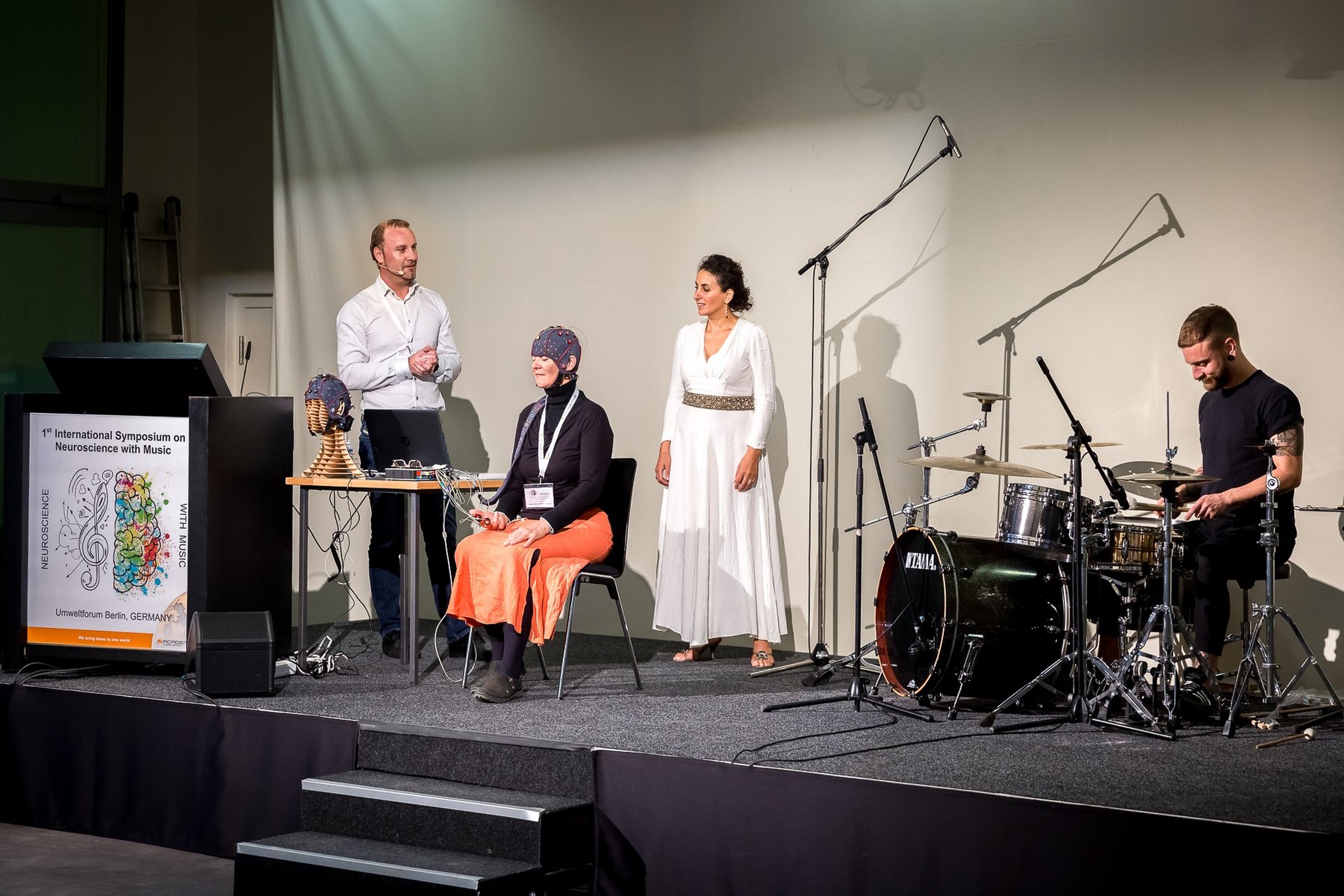
„For me this encounter between sound and science was particularly striking: an experience that people often perceive directly when hearing and singing was here simultaneously viewed from a neuroscientific perspective.“
WHAT RESEARCH MAKES VISIBLE
When we listen to music, many regions of our brain work together. Perception, emotion, memory, movement and reward are deeply intertwined.
Music can influence activity in brain regions involved in the processing of emotions.
Intense musical enjoyment can be linked to the release of dopamine within the reward system.
Studies examine how music may influence psychological and physical stress responses.
Music and language share processes of perception, structure and the processing of complex sound.
Sound is not merely heard.
It is experienced.
IMPRESSIONS & INSIGHTS
Live demonstration · Maria Kaplan singing for participant with EEG cap
1st International Symposium on Neuroscience with Music · Berlin
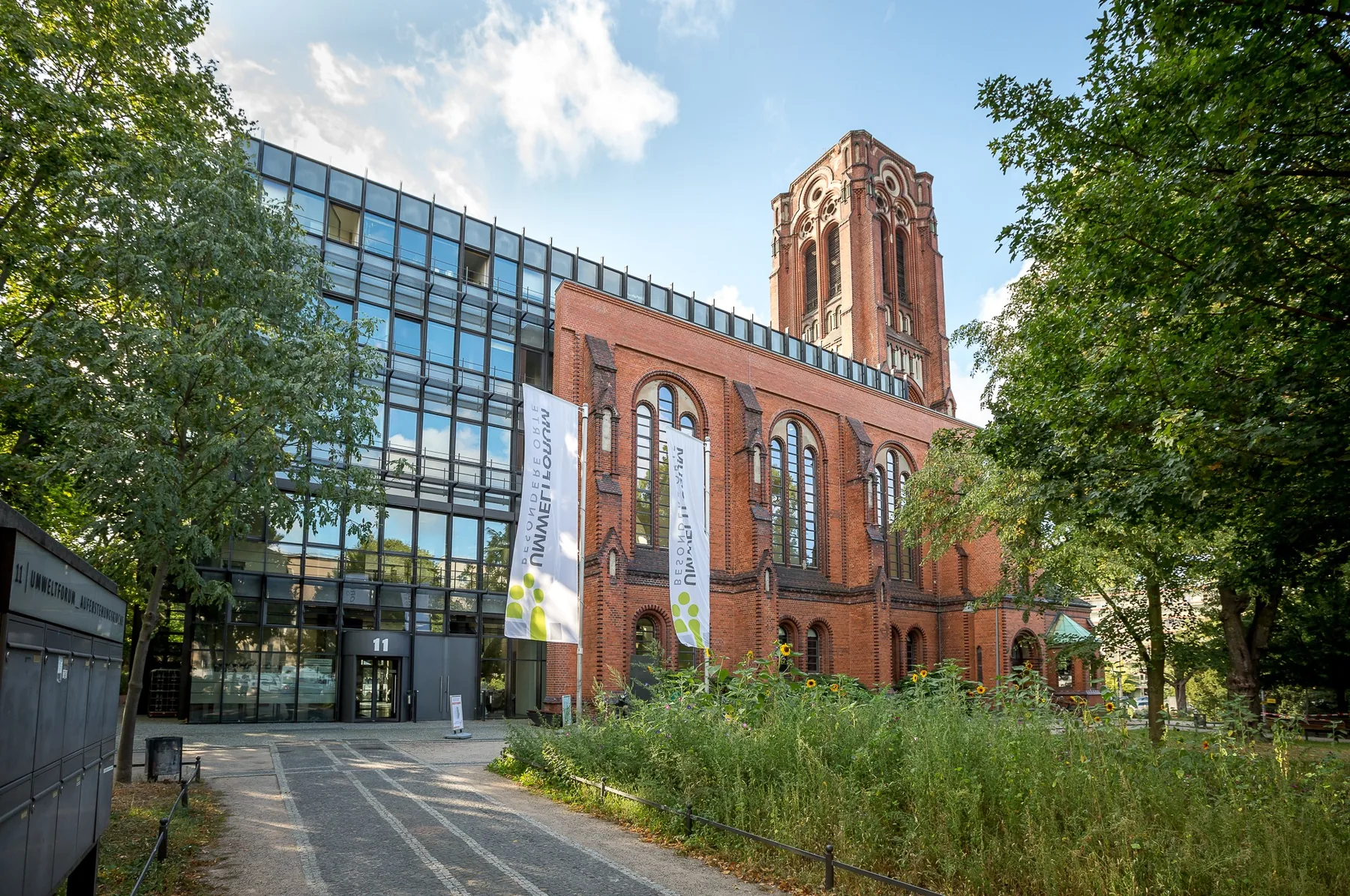
Umweltforum Berlin · Resurrection Church
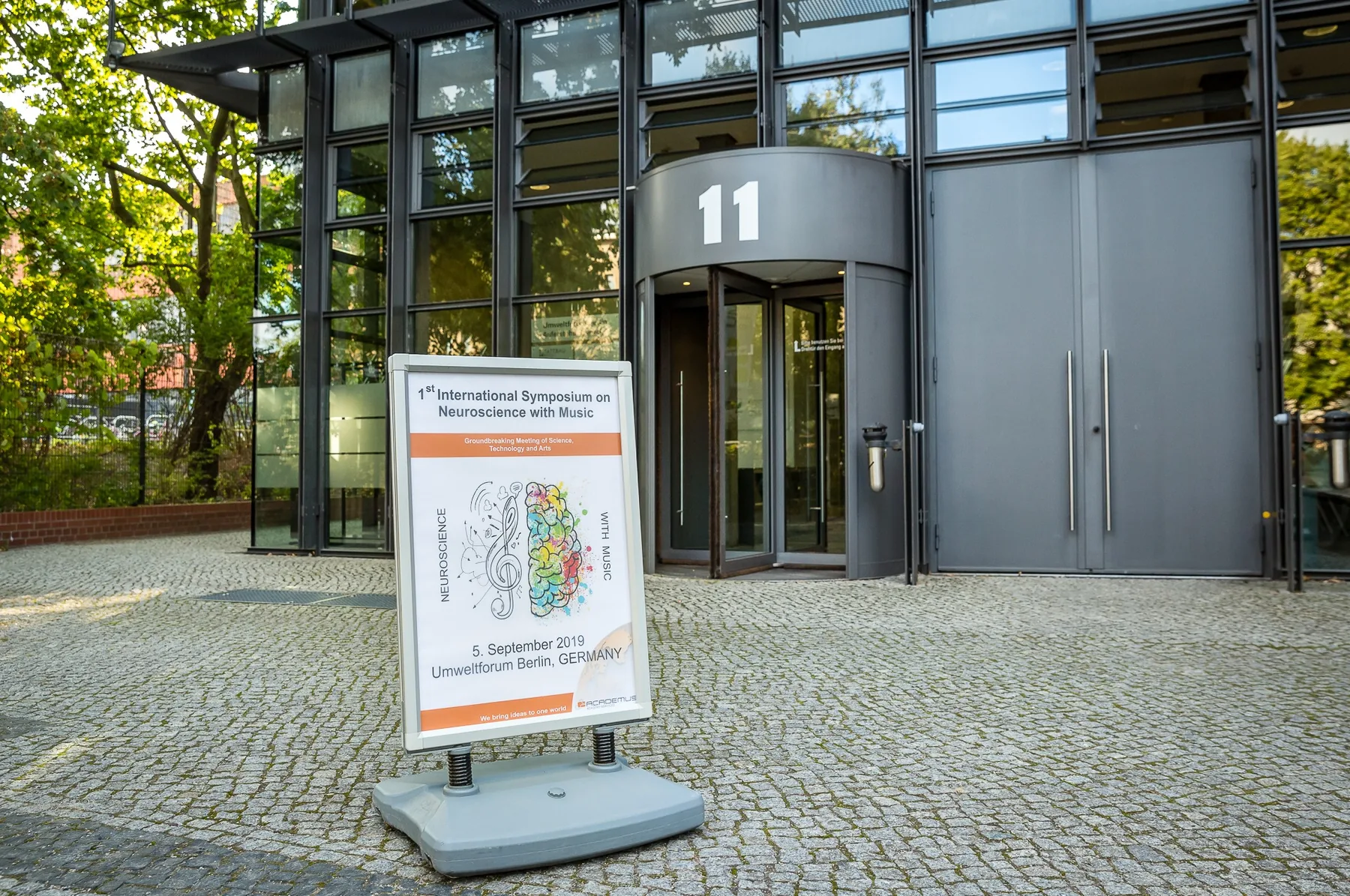
1st International Symposium on Neuroscience with Music

Maria Kaplan · Voice & Chant
International Symposium on Neuroscience with Music · Umweltforum Berlin · 5 September 2019
A LOOK INTO RESEARCH
Researchers worldwide have studied for many years how music relates to emotions, physical responses, language and brain processes.
His research shows that music can modulate activity in various brain regions involved in emotion, memory and reward.
Their research demonstrated that intense enjoyment while listening to music can be linked to the body's own dopamine release within the reward system.
He researches the relationships between music, rhythm, language and the processing of complex sound structures in the brain.
Science can observe, compare and make connections visible.
What sound touches, so personally, within a person remains an experience.
Perhaps the special power of music lies precisely there:
where knowledge and experience meet.